What to Put on a Large Blank Wall When You Don’t Want It to Feel Cold or Generic
A large blank wall can be surprisingly hard to solve.
At first, it seems simple. You have a big open space, so you just need to put something on it. But once you start looking, the questions pile up quickly. Should it be one large piece or several smaller ones? How big is too big? Will oversized art overwhelm the room? Will a gallery wall feel cluttered? And perhaps the biggest concern of all: how do you fill a large wall without making the room feel cold, staged, or generic? 
That is the real issue for most people. A large wall is not just empty square footage. It influences the mood of the entire room. When left blank, it can make a space feel unfinished or emotionally flat. When filled with the wrong thing, it can feel like an afterthought. Too small, and the room still feels empty. Too generic, and the wall disappears into sameness.
The best solutions are not just about filling space. They are about creating presence.
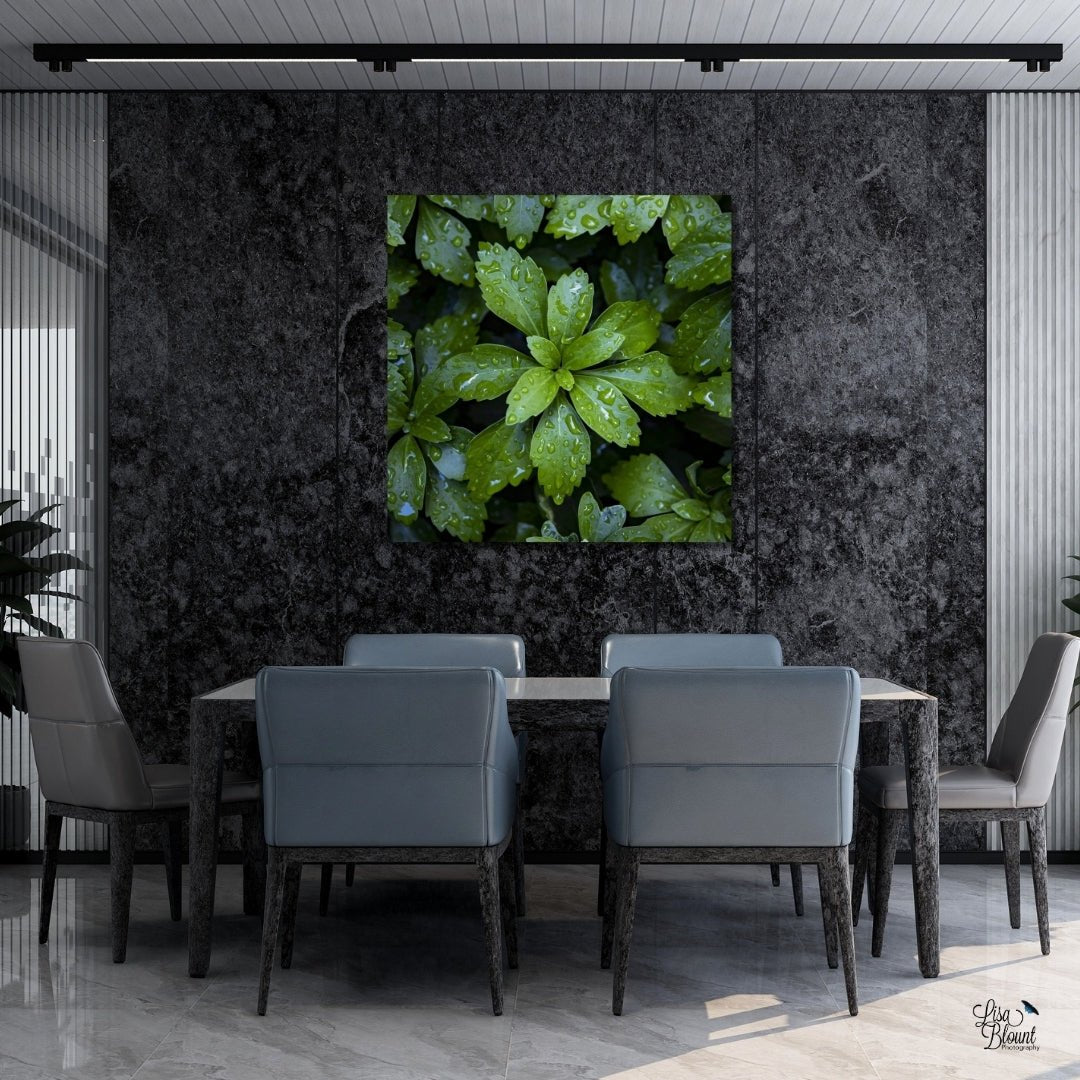
This is where large-scale wall art can completely change a room. The right oversized piece can anchor a space, bring warmth, create emotional tone, and keep a wall from feeling sterile. And when the imagery is rooted in nature, the room often feels more alive, more grounded, and more personal without becoming visually busy.
If you have been wondering what to put on a large blank wall, here is how to think through it in a way that feels practical, elevated, and actually useful.
Looking for the shortest answer?
Large blank walls usually need art with real presence—something scaled to the room, visually grounded, and meaningful enough to shape how the space feels. For many homes and offices, that means one confident statement piece rather than filler art.
Why Large Blank Walls Feel So Uncomfortable
A large blank wall draws attention even when there is nothing on it.
That is part of what makes it tricky. Empty walls do not just fade into the background. In many rooms, they quietly dominate because the eye keeps returning to the absence. The larger the wall, the more obvious that feeling becomes.
In living rooms, a blank wall can make the entire space feel unfinished. In bedrooms, it can leave the room feeling sparse rather than restful. In entryways, it can create a first impression that feels cold instead of welcoming. In offices, it can make the room feel more functional than human.
People often try to solve this by adding something small just to break up the space, but that usually creates a second problem. Instead of looking intentionally designed, the wall still feels underdressed. The art may be beautiful on its own, but it does not carry enough visual weight to support the scale of the room. 
That is why large walls usually need more than decoration. They need an anchor.
What Size Art Should You Put on a Large Wall?
This is one of the most common questions people ask when trying to decorate a large space, and for good reason. Scale changes everything.
If the artwork is too small, the wall still feels empty. The room can feel disconnected, and the piece may end up looking like it is floating rather than belonging. This is where many rooms start to feel generic. The wall is technically decorated, but not truly resolved.
As a general guideline, art should usually span about 60 to 75 percent of the width of the furniture beneath it. That means if you have a large sofa, bed, console, or sideboard, the art above it often needs to be larger than people initially expect.
Oversized art works because it feels proportionate to the architecture. It gives the eye somewhere meaningful to land. It creates confidence in the room. Instead of apologizing for being there, it defines the space.
This does not mean every large wall requires one massive piece. Multi-panel arrangements, triptychs, or intentionally paired works can also work beautifully. But the overall scale still matters. Whether it is one panel or several, the art should relate to the wall in a way that feels deliberate.
Need help with sizing? Read How Big Should Wall Art Be Over a Couch? for a more detailed guide to proportions, hanging height, and layout.
Statement Pieces vs. Filler Art
There is a difference between art that fills a wall and art that defines it.
Filler art tends to be smaller, safer, and easier to overlook. It often gets chosen because it matches a room instead of transforming it. There is nothing inherently wrong with smaller pieces, and in the right place they can be beautiful. But on a large blank wall, filler art usually does not solve the real problem. 
Statement art does something different. It creates a focal point. It gives the room identity. It makes the wall feel intentional instead of merely occupied.
This is especially important when a room feels cold or generic. Generic spaces are often not lacking décor. They are lacking point of view. A strong statement piece introduces that point of view without requiring a full redesign.
That is one reason large-scale nature photography works so well. It can be immersive without feeling harsh. It can create drama without feeling artificial. It allows the room to feel elevated, but still approachable.
Why Oversized Nature Wall Art Works So Well on Large Walls
One of the reasons large blank walls can feel cold is that they emphasize architecture without adding emotional tone. The room may have beautiful lines, clean furniture, and good light, but without something to soften or balance that structure, it can still feel impersonal.
Nature imagery helps solve that.
Water, mountains, botanical detail, sky, organic texture, and natural movement all bring a different kind of energy into a room. They soften hard edges. They introduce depth. They remind the eye of something alive and expansive rather than purely constructed.
That is especially true when the art is printed at a scale large enough to be immersive. Oversized nature wall art does not just sit on the wall. It changes how the room feels when you walk into it.
If the goal is to keep a room from feeling sterile, nature imagery is one of the most effective tools you can use. It adds warmth without clutter. It introduces emotion without being overly sentimental. It can feel luxurious, calming, dramatic, or grounding depending on the piece, but it rarely feels cold.

What Kind of Art Works Best Above a Sofa, Bed, or Console?
Another common search question is what to hang above a sofa, bed, or large console table. These areas are often where the big blank wall problem shows up first.
Above a sofa, oversized horizontal artwork usually works beautifully because it echoes the width of the furniture and helps the entire seating area feel connected. A landscape, waterfall, expansive sky, or panoramic natural scene often works better than a small vertical piece because it supports the shape of the room.
Above a bed, a large piece can create calm and presence. Bedrooms do not usually need visual busyness. One strong statement piece often feels more restful than several smaller items competing for attention.
Above a console in an entryway or dining room, a large piece can instantly set the tone. This is especially effective when the wall is one of the first things people see. Instead of the room feeling like a pass-through, it starts to feel curated.
In all of these spaces, the goal is similar: use art that relates to the scale of the room and gives the wall purpose.

When to Choose One Large Piece Instead of Several Smaller Ones
People often wonder whether a gallery wall is the better solution for a large wall. Sometimes it is. But not always.
If you want the room to feel calmer, more elevated, and less busy, one large piece is often the better choice. It creates clarity. It keeps the wall from becoming fragmented. It feels more architectural and less decorative.
Several smaller pieces can work when they are thoughtfully arranged and when the room benefits from more layered storytelling. But on a very large wall, a cluster of smaller works can sometimes make the wall feel even more unresolved unless the grouping is substantial enough to read as one composition.
This is where people often run into trouble. They choose art they love, but the grouping never gains enough visual weight to hold the wall. The result can feel timid instead of intentional.
That is why statement pieces are often the cleaner solution. They simplify the decision and create stronger presence.
Shopping for a statement piece?
Browse the Large Wall Art Collection or the Large Living Room Wall Art Collection for oversized works designed to anchor a room with confidence.
Featured Idea: Multnomah Falls for a Large Wall That Needs Movement and Calm
If you want a large wall to feel grounded, expansive, and visually alive, a piece like Multnomah Falls is a strong example of how oversized nature wall art can solve the problem.
Waterfall imagery works especially well in large spaces because it introduces movement without chaos. The vertical flow draws the eye naturally, and the surrounding landscape softens the room at the same time. It creates presence without making the wall feel heavy.
For a living room, office, or entryway with neutral tones, a waterfall piece can keep the wall from feeling flat while still maintaining calm. It adds depth, a sense of place, and a focal point that feels more immersive than generic décor ever could.
If your wall feels empty and your room needs both softness and scale, this kind of piece offers both.

Featured Idea: Peyto Lake for a Room That Needs Depth, Atmosphere, and a Sense of Escape
For walls that need a broader sense of openness, a piece like Peyto Lake can completely shift the emotional tone of the room.
Large landscape art works because it extends the visual space of the room. It gives the eye distance. That can be especially valuable in rooms that feel enclosed, overly neutral, or lacking in personality. A mountain lake scene brings both calm and drama, which is a rare combination.
Above a sofa, bed, or large dining sideboard, a landscape like this helps the room feel more intentional and less boxed in. It invites pause. It creates a focal point that feels collected rather than mass-produced.
When people say they do not want a room to feel generic, this is often what they are really after: something that brings the room to life and gives it a stronger sense of identity.

What If You Do Need Smaller Art?
Smaller pieces absolutely have a place. They just work differently.
On very large walls, smaller art usually works best when it is part of a larger composition or when it is used in secondary areas of the room rather than as the primary solution. Think side walls, layered shelving, reading corners, powder rooms, or spaces where intimacy matters more than scale.
That is where smaller, color-rich pieces can be incredibly helpful. Instead of trying to force them to solve a wall that really needs oversized art, they can support the room in more personal ways.

Floral and botanical works are especially good for this because they add life, detail, and energy without requiring as much physical scale.
For example, pieces like Color of Coral Fire, Blue Dynamite, and Blue Succulent can work beautifully as layered accents in smaller spaces or as supporting art in rooms where the main wall already has its statement piece.
These are not filler in the dismissive sense. They simply play a different role. They add color, energy, and detail where a room needs intimacy rather than scale.
How to Keep a Large Wall from Feeling Sterile
If a room feels sterile, the problem is usually not that it lacks furniture. It is that it lacks softness, depth, or emotional texture.
Large-scale nature wall art helps because it counterbalances the built environment. It introduces natural movement into spaces dominated by straight lines, hard surfaces, and controlled palettes. Water, mountains, foliage, flowers, and close-up organic details all bring variation and warmth.
Material can matter too. Gloss, texture, and finish all influence how the work interacts with light and architecture. But even before you get to material, subject matter matters. Nature-based pieces tend to keep rooms from feeling overly corporate or generic because they carry visual complexity that is hard to fake.
This is especially useful in offices, healthcare spaces, and modern interiors where clean design can sometimes drift into emotional distance. A strong nature piece helps preserve the polish while adding humanity.
What to Do If the Room Still Feels Empty After Adding Art
Sometimes the issue is not the art itself. It is the relationship between the art and everything around it.
If a room still feels empty after adding wall art, consider these questions:
Is the artwork large enough for the wall?
Is it hanging at the correct height?
Does it relate to the furniture beneath it?
Is the room missing texture elsewhere, such as a rug, pillows, greenery, or layered lighting?
Is the art visually strong enough to carry the space?
Often, one of those is the real problem.
Large wall art works best when it feels integrated into the room rather than isolated on the wall. That is why scale, placement, and subject matter matter so much. The goal is not just to hang art. The goal is to make the room feel resolved.

What to Put on a Large Blank Wall, Simply Put
If you want the shortest answer, here it is:
Put something on that wall that is large enough to matter and meaningful enough to change the room.
A large blank wall rarely needs more stuff. It needs the right kind of presence.
Oversized wall art is often the cleanest answer because it brings proportion, focus, and warmth all at once. Statement pieces work because they give the room identity. And nature imagery works because it keeps the space from feeling cold, hard, or generic.
Whether you are drawn to the movement of a waterfall, the openness of a mountain lake, or the smaller supporting energy of a botanical piece, the best choice is the one that gives the room emotional tone as well as visual balance.
When that happens, the wall no longer feels like a problem to solve.
It becomes part of what makes the room memorable.
About the Author

Lisa Blount is a fine art nature photographer who creates large-scale wall art designed to bring presence, calm, and emotional tone into homes, offices, and professional spaces. Her work helps collectors and designers choose statement pieces that feel intentional, grounded, and deeply connected to the natural world.