Shelf Decor Ideas: How to Style Small Art in a Way That Feels Personal
Shelves can be tricky little spaces. They seem simple enough at first—add a few books, maybe a plant, maybe a vase—and suddenly you’re standing there wondering why it either looks too empty, too cluttered, or like everything was placed there during a mild decorating panic.
I think shelves are often harder to style because they are so personal. They tend to collect the bits and pieces of our lives: books we meant to read, shells from a trip, a small bowl we loved but had no idea where to put, family pieces, plants, candles, and the occasional object that has been moved from room to room more times than we care to admit.
But that is also what makes shelves wonderful. They do not have to be perfect to be beautiful. In fact, the best shelves usually feel collected rather than overly designed. They include a mix of texture, height, color, memory, and a little breathing room.
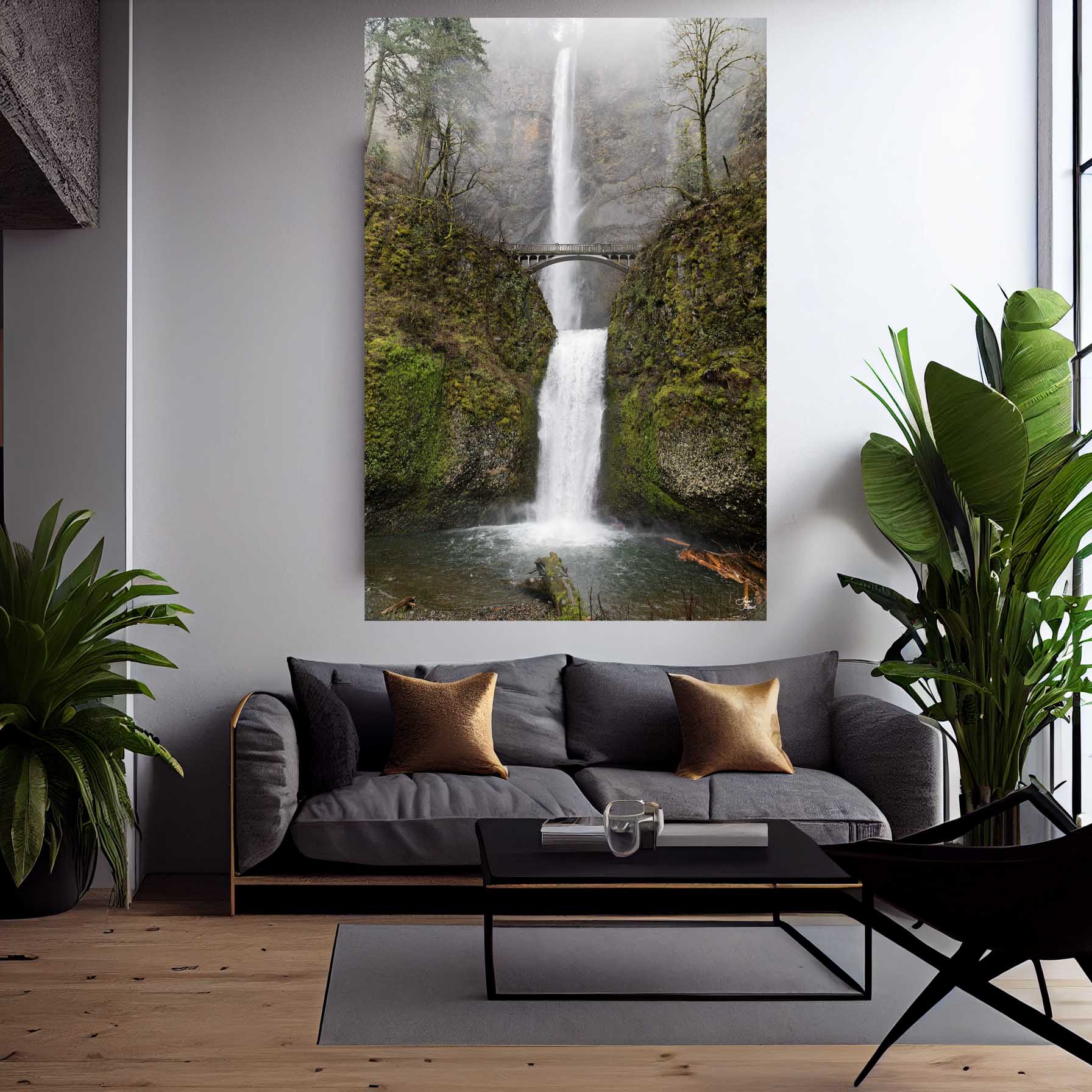
That’s where small art can make a big difference. Whether it sits on a bookcase, desk, entry table, floating shelf, or bedside table, small fine art gives the eye a place to land. It brings in color, story, and a sense of presence without needing a large wall or a major design decision.
Why Shelves Often Feel Hard to Decorate
Shelves are one of those home areas that look effortless when done well, but can feel surprisingly fussy when you’re the one trying to style them. Part of the challenge is that shelves are usually both decorative and functional. They may hold books, family pieces, travel finds, plants, candles, framed photos, storage boxes, or objects you’ve collected over time.
That mix can be beautiful, but it can also turn visually busy fast.

The goal is not to fill every inch. The goal is to create small moments that feel intentional. Think of each shelf as a little scene. Some shelves may need height. Some may need color. Some may need something organic. Some may need a quiet pause.
Small art helps because it gives the eye somewhere to land. It can serve as a miniature focal point, a color anchor, or a personal detail that makes the whole arrangement feel more meaningful.
Start with a Simple Shelf Styling Formula
If you are staring at an empty shelf and do not know where to begin, start with a simple formula:
Books + small art + natural texture + one personal object + open space.
That combination works because it gives the shelf structure without making it feel stiff. Books add weight and familiarity. Small art adds color and emotion. Natural texture softens the arrangement. A personal object brings in story. Open space keeps everything from feeling crowded.
You can repeat that formula in different ways depending on the size of your shelf. On one shelf, you might stack two or three books horizontally and place a small piece of art on top. On another, you might lean artwork behind a small ceramic vase. On a desk or entry table, you might pair a freestanding art piece with a plant and a decorative bowl.
The arrangement does not need to match perfectly. It just needs to feel balanced.
Use Small Art as the Anchor Piece
One of my favorite shelf decor ideas is to begin with a small piece of art and build around it. Art gives the shelf a reason to exist beyond just “filling the space.” It creates a focal point, sets the mood, and helps the other objects feel more connected.
This is especially helpful if you have several small decorative objects that feel a little random on their own. A piece of art can quietly pull them together through color, subject, or feeling. A botanical image can soften a shelf filled with books. A coastal piece can bring calm to a home office. An abstract nature photograph can add movement and texture without making the shelf feel busy.
As an artist, I love this because small art can hold a surprising amount of emotion. It might remind you of a place you visited, a color you are drawn to, a quiet moment outdoors, or simply the feeling you want to bring into your home. That kind of connection is what keeps a shelf from looking staged.
Small art also gives you the feeling of fine art without needing a large wall or permanent commitment. You do not have to measure, hang, level, or patch holes later. You can simply place it, move it, layer it, and restyle it as your space changes.
Want an easy way to add art without hanging anything?
My freestanding acrylic blocks are designed for shelves, desks, bookcases, and small spaces—bringing fine art into your home in a way that feels polished, personal, and easy to move as your space changes.
Layer Your Shelf Decor Instead of Lining Everything Up
A common shelf styling mistake is lining everything up in a straight row. It can make the shelf feel flat, even when the individual pieces are beautiful.
Instead, try layering.
Place a small piece of art slightly behind a vase, plant, or stack of books. Lean a framed print against the back of the shelf. Let one object overlap another just a little. This creates depth and makes the arrangement feel more natural.
Layering is also a great way to make shelves feel less store-bought and more collected over time. When objects overlap slightly, they begin to relate to each other. The shelf starts to feel like a small composition rather than a row of unrelated things.
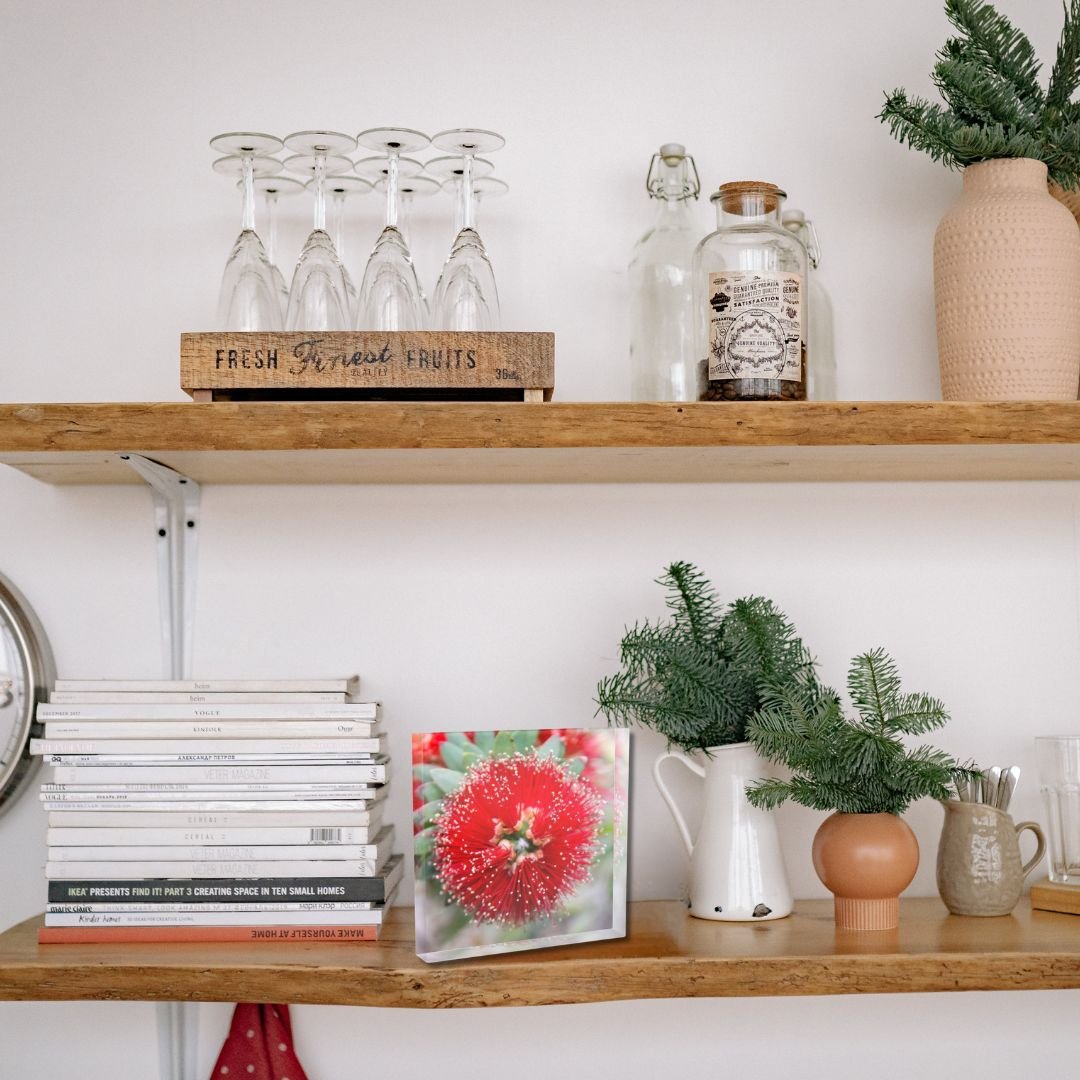
If you are using a freestanding art piece, such as an acrylic block, try placing it slightly forward on the shelf with books or a plant behind it. The polished surface and depth of the acrylic can catch light beautifully, while the surrounding objects help ground it in the space.
Mix Heights, Shapes, and Textures
Beautiful shelf decor usually has variety. If everything is the same height, shape, or material, the shelf can feel a little sleepy. If everything is different, it can feel chaotic. The sweet spot is a thoughtful mix.
Try combining:
- Vertical books with horizontal book stacks
- Small art with a rounded vase or bowl
- Plants with ceramics, wood, stone, or woven textures
- A smooth acrylic surface with softer natural materials
- Personal objects with pieces that add color or shape
Texture is especially important. A shelf filled only with shiny objects may feel cold. A shelf filled only with soft or matte objects may feel flat. Mixing materials creates visual interest and helps the shelf feel more dimensional.
Small nature-inspired art works beautifully in this mix because it brings the outdoors in. A botanical photograph, a water image, a textured landscape, or an abstract natural detail can add color and movement while still feeling calm.
Give Each Shelf a Little Breathing Room
One of the easiest ways to make shelves look more elevated is to leave some space empty.
I know. Empty space can feel wrong at first. We are tempted to fill it, especially if we have a lot of pieces we love. But negative space is what lets your favorite objects stand out. It gives the eye a place to rest.
If your shelves feel cluttered, try removing one or two items from each section. Then step back. Often, the shelf will immediately feel more intentional.
This is especially true when styling small art. Give the artwork enough room to be seen. It does not need to fight with five other objects right beside it. A little space around it can make it feel more important, even if the piece itself is small.
Decorate with Personal Meaning, Not Just Pretty Things
The shelves that feel the most interesting usually include something personal. That might be a travel souvenir, a favorite book, a family object, a small sculpture, a shell from a beach walk, or a piece of art connected to a place, color, or memory.
This is where small fine art becomes more than decor. It can remind you of a place you love, a season you walked through, a color that calms you, or a moment you want to keep close.
That is one of the reasons I create nature-inspired artwork. The outdoors has a way of holding memories for us. A coastal image might bring you back to a favorite trip. A botanical piece might remind you of a garden, a walk, or the quiet beauty of something you almost missed. A textured abstract image might simply give you a moment to pause.
When your shelf includes meaning, it stops looking like a display and starts feeling like part of your story.
Try Small Art in Places Beyond the Bookshelf
When people think about shelf decor, they often picture built-ins or bookcases. But small art can work in many more places throughout the home.
Try styling small art on:
- A home office desk
- A bedside table
- An entry table
- A kitchen shelf
- A bathroom shelf
- A coffee table
- A console table
- A windowsill or plant shelf

These smaller surfaces are often overlooked, but they are the places you see every day. A small piece of art on a desk can make a workday feel a little softer. A piece on an entry table can create a welcoming first impression. A botanical image on a bathroom shelf can bring in a quiet spa-like feeling without needing a full redesign.
Small pieces are also easy to rotate seasonally. You might bring out warmer colors in the fall, calming blues in the summer, or botanical pieces when you want your home to feel fresh and alive.
Small spaces deserve beautiful art, too.
If you are not ready for a large statement piece, small-format fine art can be a lovely way to start collecting. Style it on a shelf, desk, or table where you will see it every day.
How to Style Acrylic Block Art on a Shelf
Acrylic block art is especially useful for shelf styling because it is freestanding. It does not need a frame, easel, nail, or wall space. The piece can sit directly on a shelf, desk, or table and instantly add a polished art element to the arrangement.
I think of acrylic blocks as small art moments. They are not meant to overpower a room. They are meant to catch your eye as you pass by, add color to a quiet corner, or bring a memory into a place where you will see it often.
To style acrylic block art, try pairing it with objects that contrast its clean, modern finish. A stack of linen-covered books, a small plant, a wood bowl, a ceramic vase, or a natural stone object can soften the look and make the piece feel integrated into the space.
You can also use acrylic blocks as a color cue. If the artwork includes soft blues, repeat that tone in a book spine, candle, or nearby textile. If the piece features greens, pair it with a plant or organic texture. If it has warm tones, style it near brass, wood, or woven details.
The goal is not to make everything match exactly. The goal is to create a quiet conversation between the objects, so the shelf feels collected, personal, and easy to live with.

Shelf Decor Ideas by Room
Living Room Shelves
In a living room, shelves often need to feel warm, finished, and personal. Try mixing books, small art, plants, and collected objects. A freestanding art piece can add color and help break up rows of books or storage baskets.
Home Office Shelves
Office shelves can easily become all function and no feeling. Small art softens the space and gives your eye somewhere pleasant to rest. Nature-inspired artwork works especially well in offices because it can bring in a sense of calm without taking up much room.
Entry Table or Console
An entry table is a perfect place for a small art moment. Pair a freestanding artwork with a bowl for keys, a lamp, and a small vase or plant. It creates a welcoming detail right as someone enters your home.
Bedroom Shelves or Nightstands
In a bedroom, choose small art that feels peaceful and personal. Soft botanical pieces, calming water imagery, or quiet abstract nature details can add beauty without making the space feel busy.
Bathroom Shelves
A small piece of art can make a bathroom feel more intentional and less utilitarian. Pair it with towels, greenery, a candle, or a small ceramic container for a clean, spa-like look.
A Simple Shelf Styling Checklist
Before you call a shelf finished, ask yourself:
- Is there a focal point?
- Do I have a mix of heights?
- Is there at least one natural or organic element?
- Did I include something personal?
- Is there enough breathing room?
- Does the shelf feel balanced from a few steps away?
If the answer is mostly yes, you are probably closer than you think.
And if something feels off, do not start over immediately. Try removing one item. Shift the artwork slightly forward. Stack the books differently. Add a small plant. Sometimes the tiniest adjustment is what makes the whole shelf click.
Final Thoughts: Let Your Shelves Tell a Story
Shelf decor does not need to be complicated, expensive, or perfectly styled. The most inviting shelves usually have a sense of story. They show a little of where you have been, what you love, what calms you, and what catches your eye.
Small art is one of the easiest ways to bring that story into your shelves. It adds color, depth, and meaning without demanding a large wall or a major design decision. Whether placed beside books, layered with natural textures, or styled on a desk where you see it every day, small fine art can turn an ordinary shelf into a personal moment.
And honestly, those small moments matter. They are the little places in a home that make you pause for half a second, remember something good, or simply enjoy the view from where you are.
Because sometimes the smallest pieces are the ones that quietly make a space feel more like home.
Ready to add a small art moment to your shelves?
Explore nature-inspired acrylic blocks designed for shelves, desks, bookcases, and meaningful gift giving.