How Large-Scale Nature Wall Art Changes the Emotional Tone of a Room

Walk into a healthcare space and you feel something before you consciously register it.
The lighting.
The openness.
The silence.
The walls.
In medical, dental, and wellness environments, the emotional tone of a room matters as much as its functionality — especially in waiting rooms, treatment spaces, and patient-facing areas. Patients arrive with varying levels of anxiety, vulnerability… and stress. What surrounds them shapes that experience more than we often realize.
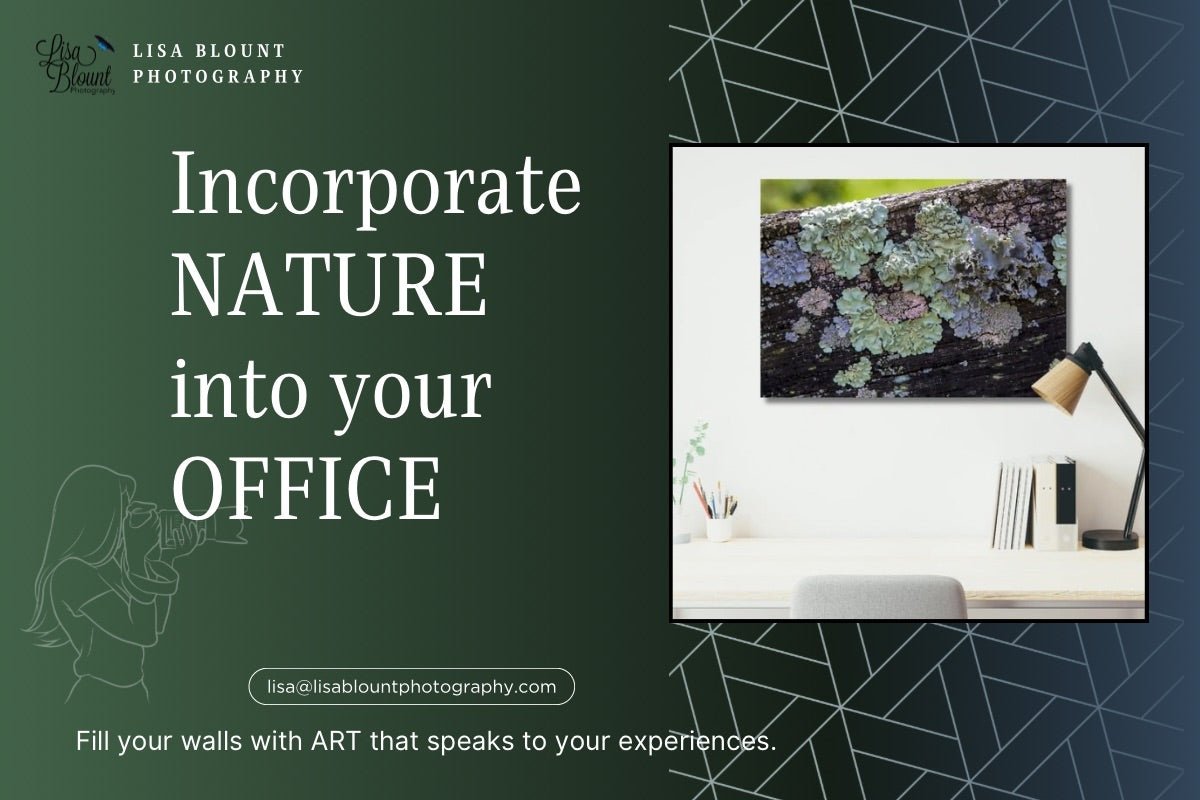
Large-scale nature wall art doesn’t just decorate these spaces. It anchors them.
Why Scale Matters More Than Most People Realize
Small artwork tends to function as decoration.
Large-scale artwork defines the room.
When art spans a significant portion of a wall, it establishes visual weight. It gives the eye somewhere intentional to rest. It creates a focal point that stabilizes the environment instead of scattering attention.
In healthcare settings especially, this matters. Visual noise can subtly increase tension. A single, well-proportioned statement piece reduces fragmentation and creates cohesion.
Scale is not about overpowering a room. It’s about grounding it.
Nature Imagery and the Nervous System
There is a reason biophilic design continues to influence healthcare architecture.
Exposure to natural forms — water, trees, organic textures, horizon lines — has been shown in multiple environmental psychology studies to lower stress markers and promote calm.

Even photographic representations of nature have been shown to reduce perceived anxiety, improve mood, increase feelings of safety, and shorten perceived wait times.
In spaces where patients may feel uncertain or uneasy, nature imagery provides familiarity and subconscious reassurance. It signals life. Stability. Continuity.
Large-scale presentation amplifies that effect by immersing the viewer rather than offering a small visual escape.
Research from Terrapin Bright Green highlights how exposure to natural patterns and materials in built environments can reduce stress and improve cognitive function.
Color, Depth, and Perceived Space
Color influences how a room feels long before furniture does.
Blues expand visual space and promote calm.
Greens feel restorative and grounded.
Warm earth tones create reassurance and warmth.
When nature photography is printed at scale, depth becomes more noticeable. Water appears dimensional. Textures feel tactile. Organic curves soften architectural lines.
This subtle interplay shifts the emotional temperature of a room.
In healthcare environments where walls are often neutral and clinical, large-scale nature art introduces warmth without clutter.
Statement Art vs. Filler Art
There is a difference between art that fills a wall and art that defines it.
Filler art is often small, neutral, and easily replaceable.
Statement art becomes part of the room’s identity.
In medical practices, where trust and comfort are foundational, the environment communicates professionalism and care before a single word is spoken.
Large-scale nature wall art creates a visual anchor. It suggests intentionality. It signals that the space has been thoughtfully designed.
In healthcare settings, that sense of intentionality reinforces professionalism and patient trust.
For interior designers working on healthcare projects, this distinction becomes a powerful design tool.
Why Large-Scale Nature Art Works in Healthcare Spaces
Healthcare spaces carry emotional weight.
Whether it’s a wellness clinic, pediatric dental office, a surgical waiting room, or a private therapy practice, the environment shapes the patient experience.
Large-scale nature art offers a calming focal point in waiting areas, a grounding visual in treatment rooms, a moment of mental pause during procedures, and a subtle reinforcement of care and humanity.

Nature reminds us of continuity beyond the moment. That message matters in places of vulnerability.
The Center for Health Design has published findings showing that thoughtfully designed healthcare environments can positively influence patient stress levels and perceived comfort.
Choosing Scale Without Overpowering the Room
A common concern is that large artwork will overwhelm a space.
In reality, correct proportion prevents that.
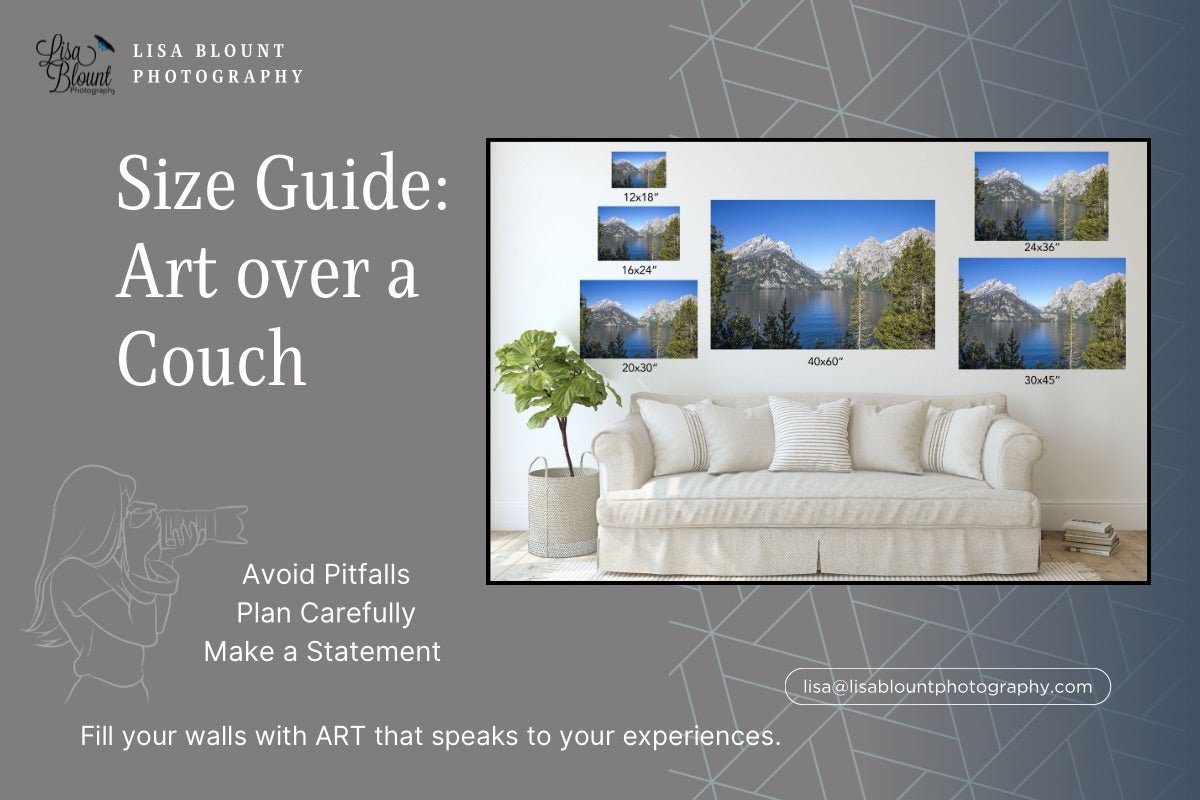
As a general guideline, artwork should span approximately 60–75% of the wall width above furniture. In larger waiting areas, multi-panel formats can create balance without heaviness. Matte finishes or low-glare acrylic options prevent harsh reflections under bright lighting.
Scale should feel intentional — not accidental.
When chosen thoughtfully, large-scale art reduces clutter rather than adding to it.
The Emotional Shift Is Subtle — But Powerful
Large-scale nature wall art does not shout.
It steadies.
It softens hard edges.
It warms sterile walls.
It provides a quiet place for the eye to land.
In healthcare environments, that subtle shift can influence how patients feel, how long they perceive they’ve waited, and how safe they sense the space to be.
Art is often viewed as finishing decor. In reality, it is environmental influence.
And scale determines whether it whispers — or truly supports the room.
About the Author
Lisa Blount is a fine art nature photographer specializing in large-scale wall art for healthcare, corporate, and residential spaces, with installations featured in clinical and professional environments. Her work focuses on organic patterns, calming color palettes, and immersive scale designed to support emotional tone within interior environments.